
Isabella Davila
Aerospace Engineering senior at CU Boulder with minors in Russian and Geology. Codeworks graduate specializing in JavaScript, TypeScript, React, Angular, and Next.js. Creator of Rover&Out, an educational Mars exploration web app, and contributor to Hop, a real-time browser-sharing tool. Passionate problem-solver who thrives in high-pressure environments ready to make meaningful impacts in tech and aerospace.
Learn More!
My Projects
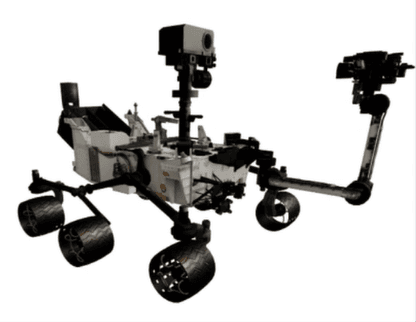
Rover&Out
Rover and Out leverages advanced 3D modeling, interactive mapping, and dynamic data visualization to deliver a cutting-edge educational experience. Built with intuitive UI/UX design, real-time data integration, and robust performance optimization.
View on GitHub
Paw Gang
An app leveraging Google Maps API to locate dog parks and schedule visits. I was responsible for converting the codebase from JavaScript to TypeScript, developing secure authentication, and extensive unit, integration, and end-to-end testing for reliability.
View on GitHub
Hop
An app using Docker images to deploy virtual machines, enabling real-time browser interactions for users. It ensures robust security with authentication and encryption, available on web and mobile.
View on GitHub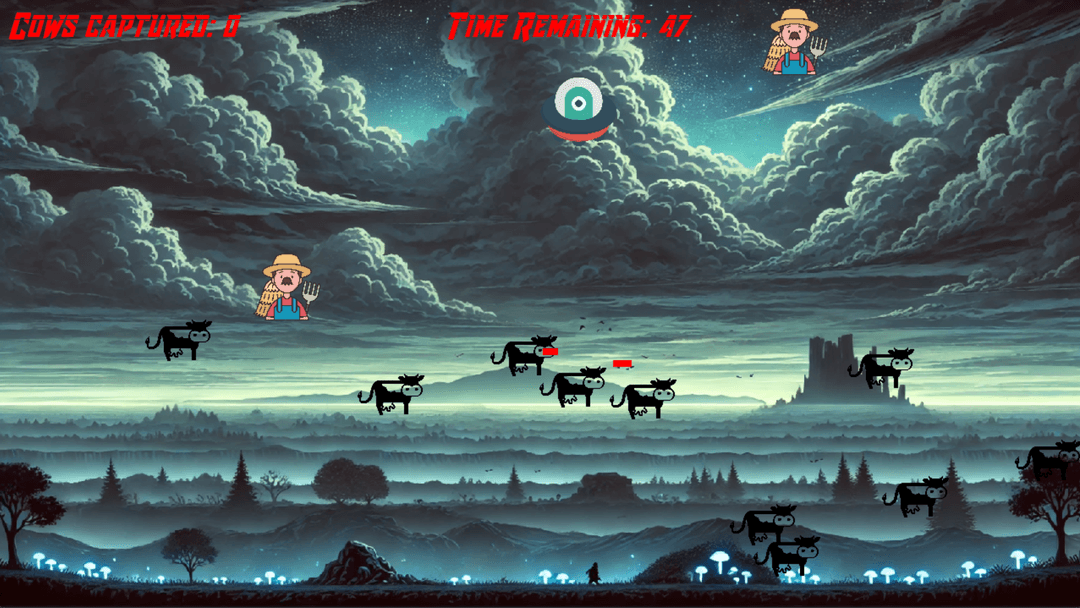
Aliens vs. Cows: Python Game
A two player game where one player pilots the UFO in attempt to capture all the cows while avoiding obstacles in a limited amount of time and the opponent attempts to herd cows away from the UFO until time runs out.
View on GitHub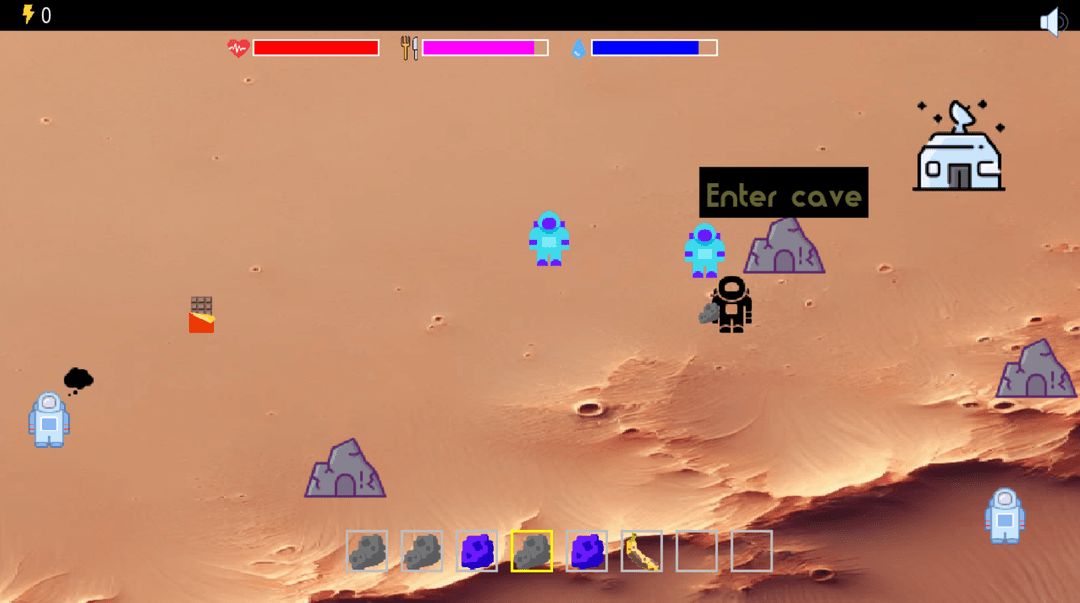
Mars Exploration: Python Game
Players take on the role of pioneers building a sustainable civilization on Mars. They can mine valuable resources, conduct research, and unlock technologies to overcome Mars' harsh environment. As they progress, they will expand colonies and tackle challenges.
View on GitHub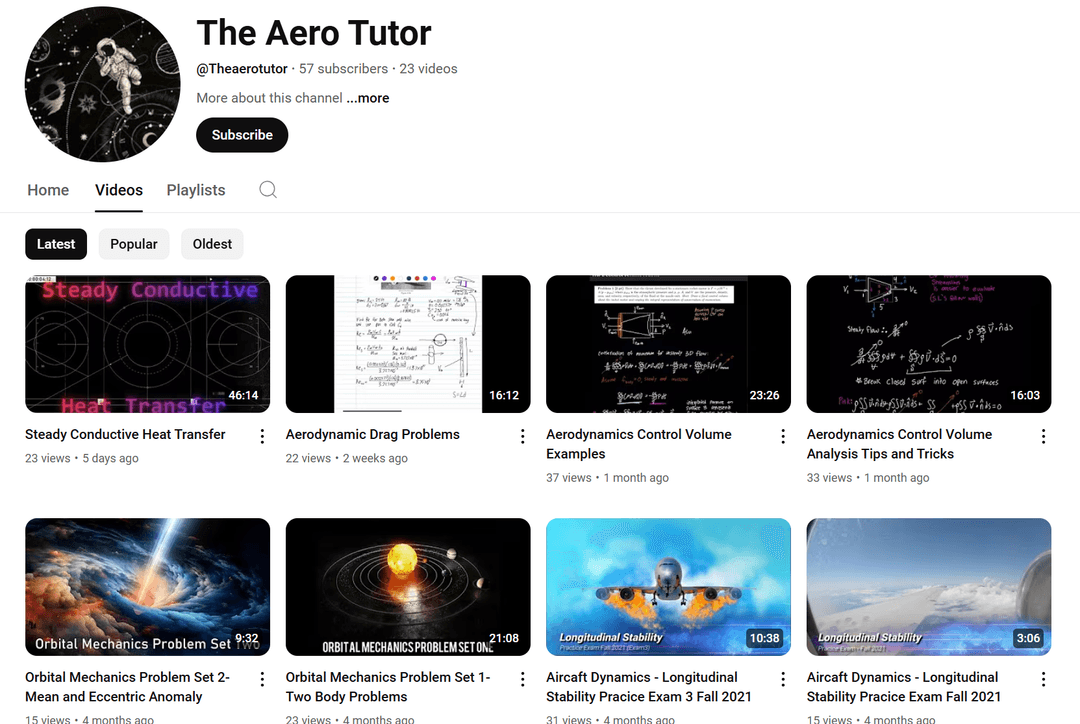
Youtube Channel
My channel is dedicated to helping aerospace engineering students master complex concepts. Covering electronics, orbital mechanics, structures, aerodynamics, thermodynamics, attitude dynamics, and aircraft dynamics, I break down challenging topics into manageable steps. My subscribers gain confidence with a deeper understanding of key principles.
View on GitHubMVP Demo Videos
Lab Reports
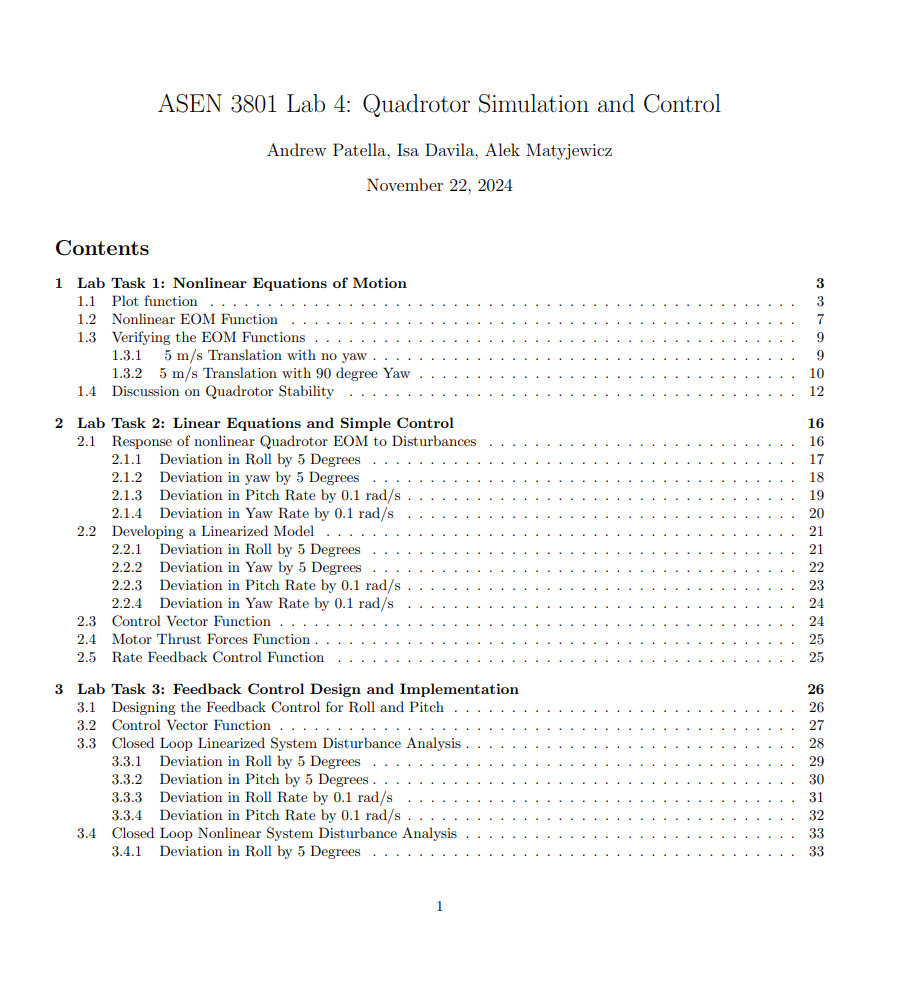
This report examines the dynamic modeling, control design, and simulation of a quadrotor. Nonlinear equations of motion are derived and simulated, revealing instability in hovering flight without control. Linearized models and rate feedback control are implemented to improve stability, with feedback controllers designed for roll, pitch, and trajectory tracking. A comparison of linear and nonlinear models was made. MATLAB simulations in open- and closed-loop configurations validate findings, providing a framework for quadrotor stabilization and controlled flight.
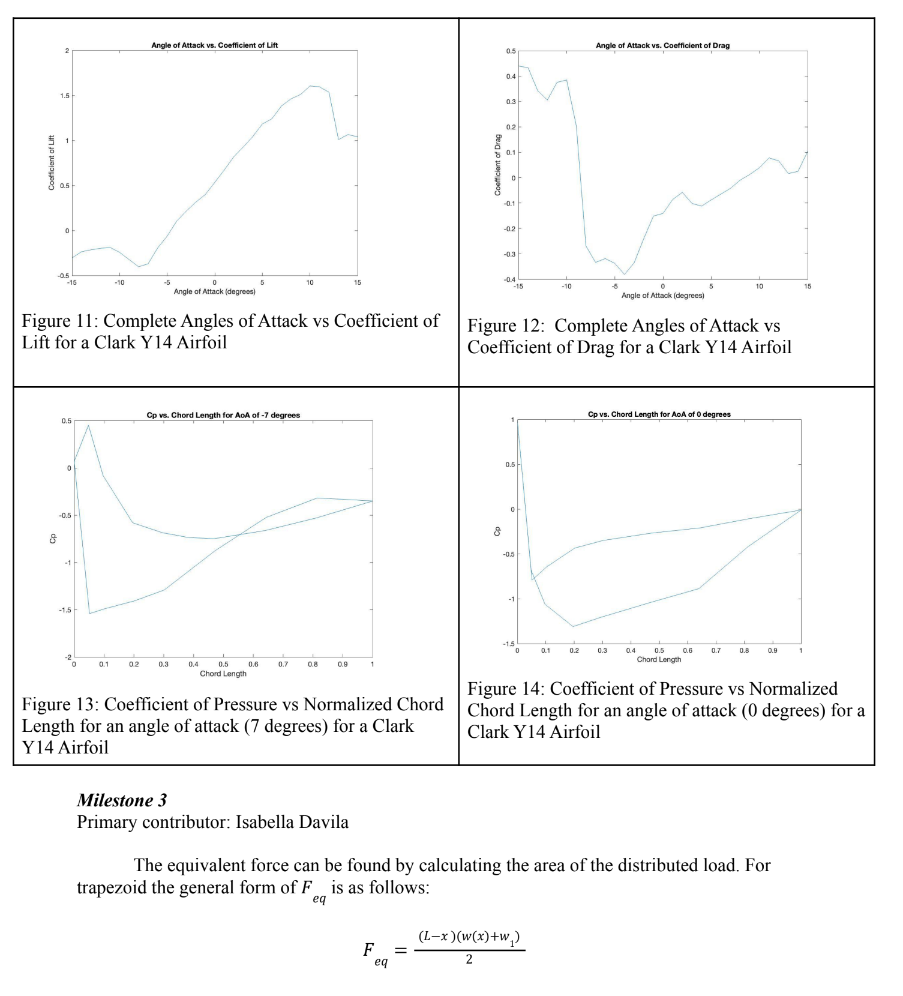
Analyzing the aerodynamic properties and structural loading of a Clark Y14 airfoil. Airspeed in a wind tunnel was calculated using pressure data from a Pitot-static tube, finding a maximum velocity of 18.82 m/s. Calculated the coefficients of lift and drag for different AoA, comparing results to NACA data, with deviations likely due to wind tunnel limitations. Performed structural analysis by calculating deflection, stress, and strain under different load distributions. Experimental deflection matched closely with numerical results for trapezoidal loading, while rectangular loading caused the most deflection
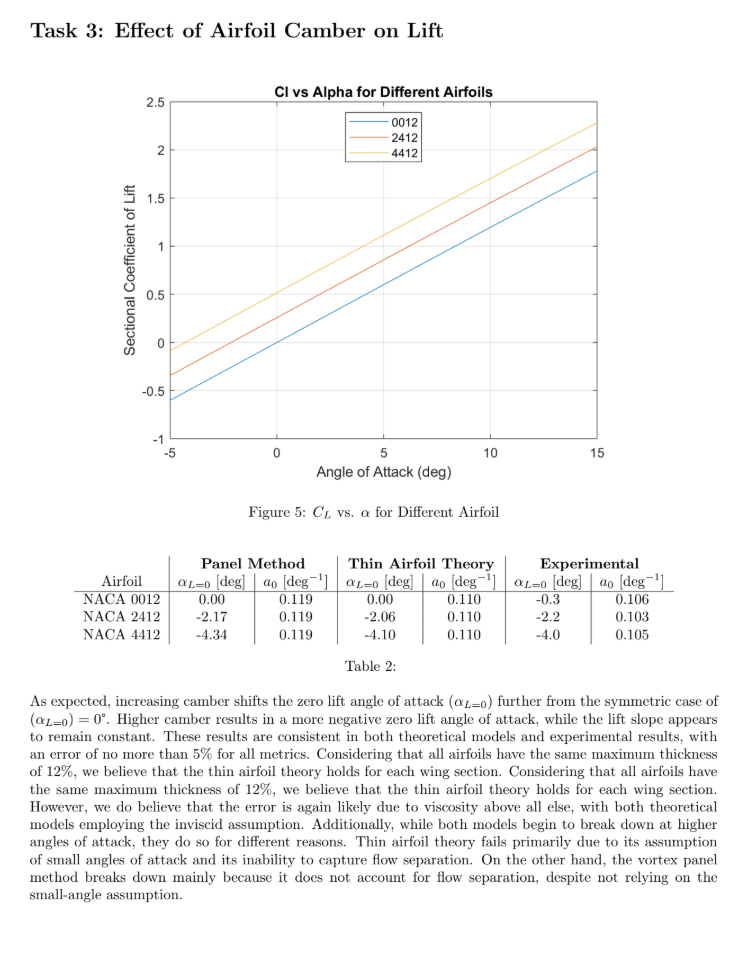
This lab investigates 2D and 3D aerodynamic properties of airfoils and wings using vortex panel methods and Prandtls lifting line theory. Analyzes the effects of airfoil geometry, taper ratio, and angle of attack on lift, drag, and thrust, and models the performance of a Cessna 180 aircraft under varying flight conditions.
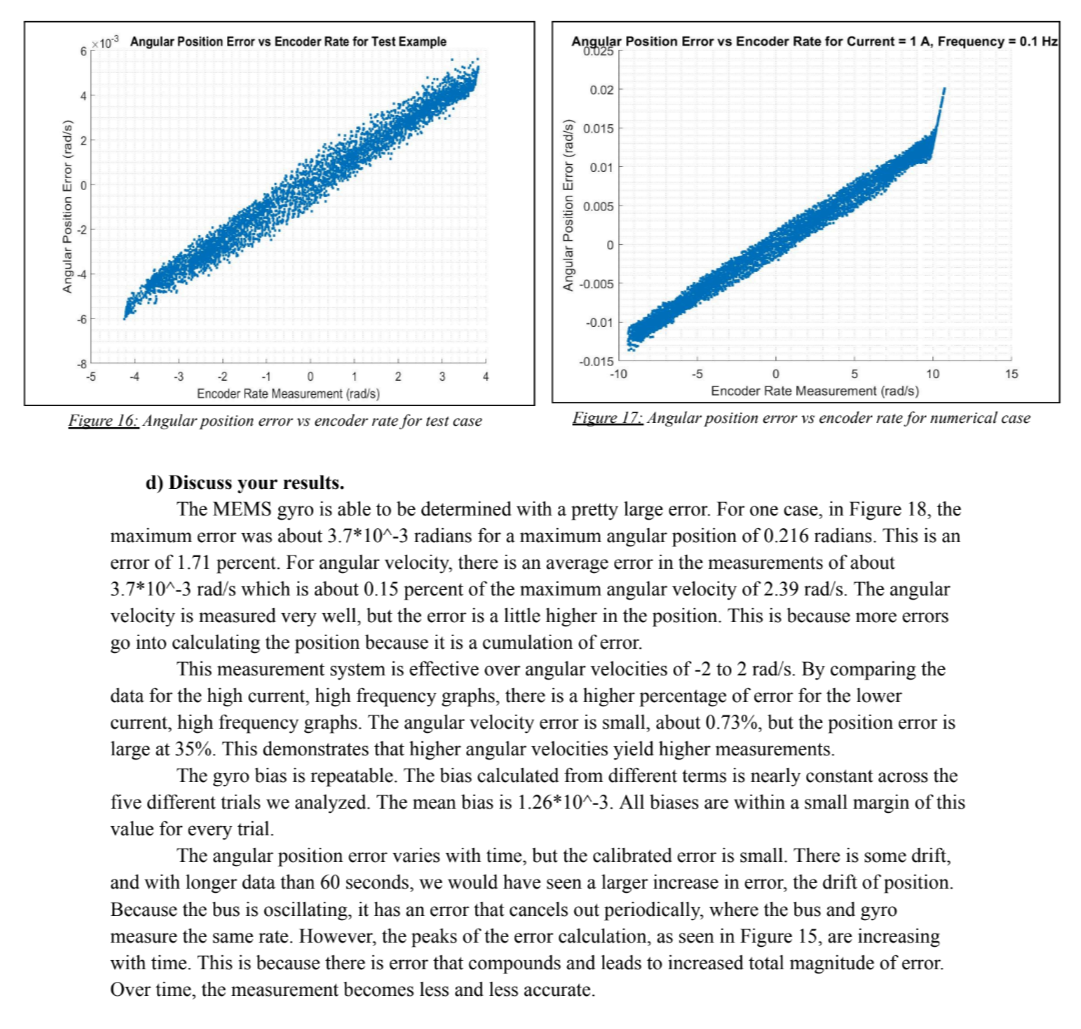
This lab explored the dynamics of gyroscopic systems, focusing on physical rate gyros, control moment gyros (CMG), and spacecraft control. Experiments analyzed rotational behavior, precession, and torque response under varying conditions. Calibration techniques were applied to improve measurement accuracy, and closed-loop feedback control was implemented to achieve precise orientation adjustments. Findings support the importance of gyroscopic calibration and feedback gains in optimizing system stability and control.
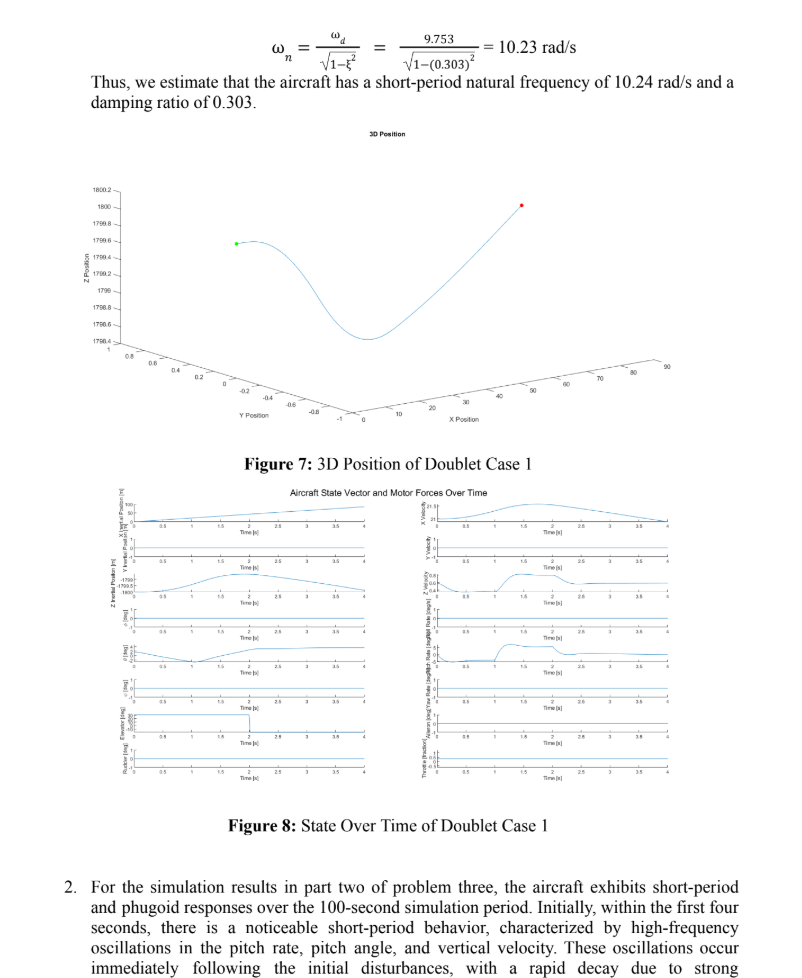
This lab investigates aircraft dynamics, focusing on three cases and doublet inputs to analyze longitudinal and lateral modes. Case 1 shows phugoid oscillations due to non-trim conditions with zero control inputs. Case 2 demonstrates steady flight with minimal oscillations from balanced controls. Case 3 transitions from Dutch roll and phugoid modes to an unstable spiral descent. Doublet input on the elevator excites short-period and phugoid modes, enabling estimates of natural frequencies and damping ratios.
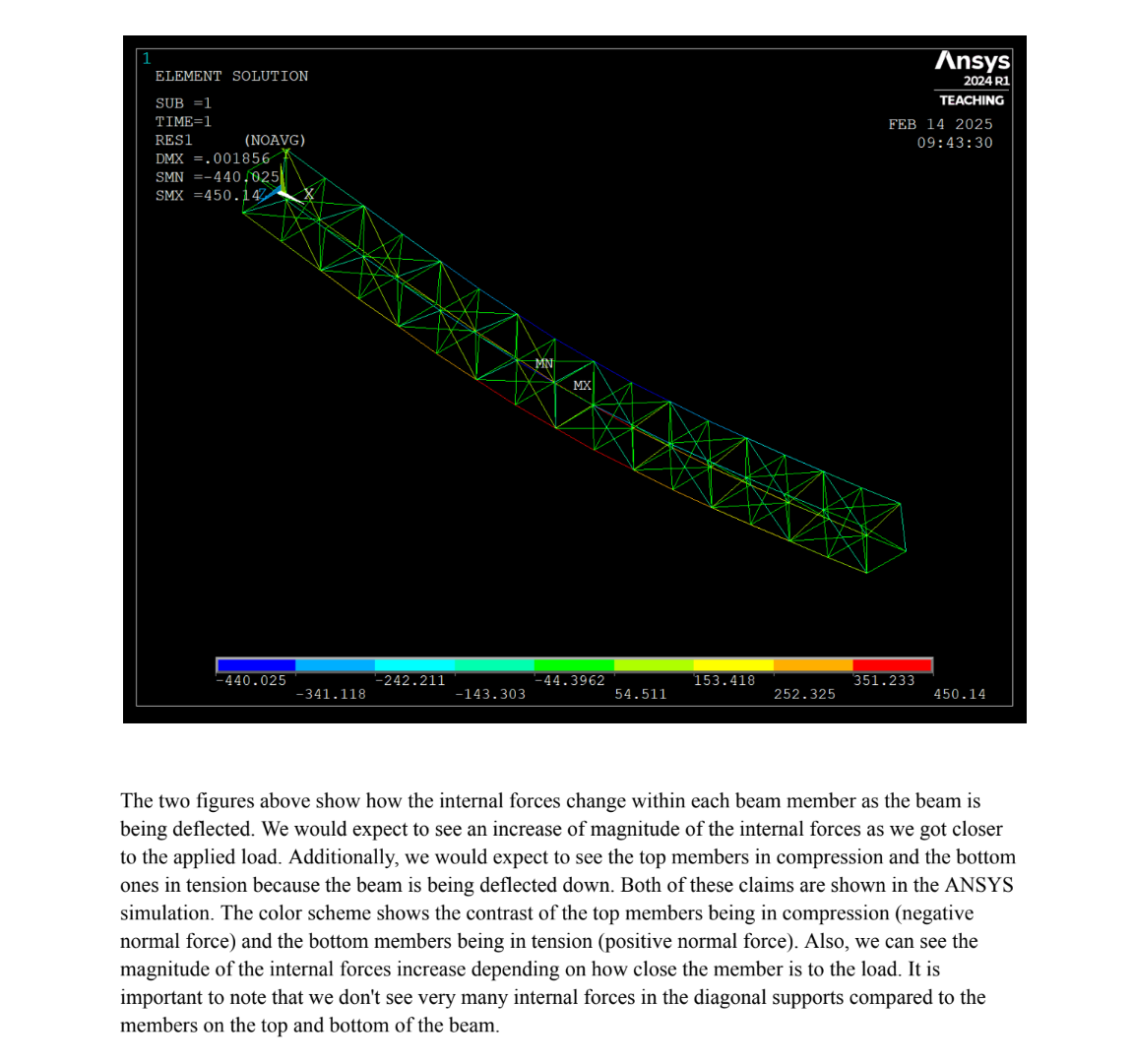
This lab examines beam deflection under various loads to analyze material stiffness and structural behavior. Measurements are compared to theoretical predictions, providing insight into load distribution and engineering applications.
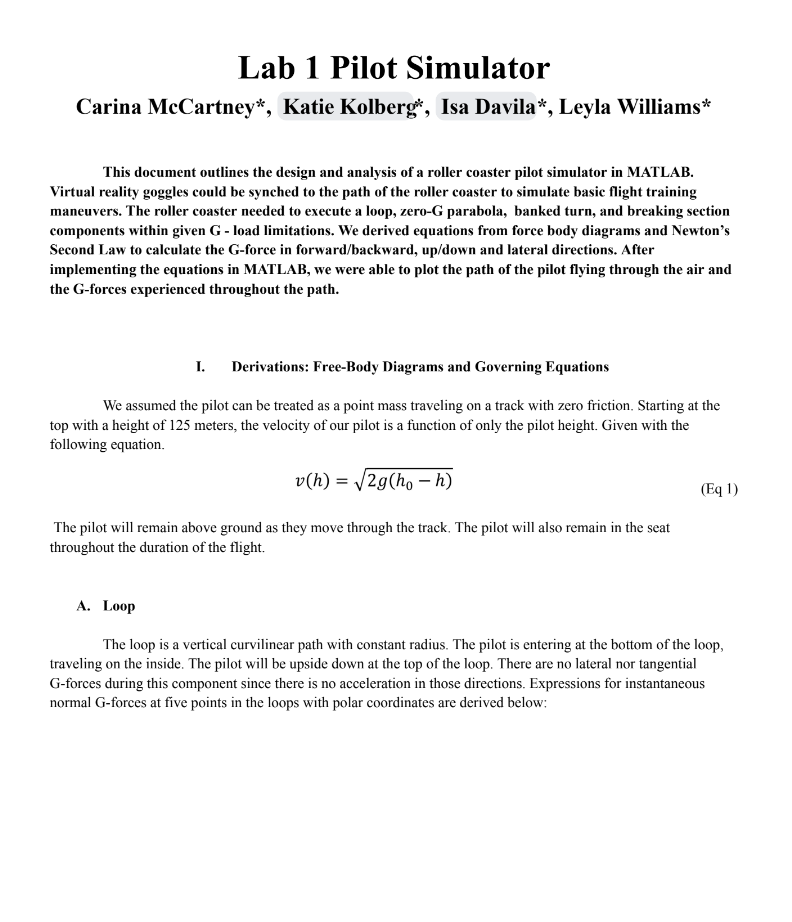
Design and analysis of a roller coaster pilot simulator, integrating virtual reality goggles for basic flight training simulations. The simulator features loops, zero-G parabolas, banked turns, and braking sections, all adhering to specified G-load limitations. G-forces equations in various directions derived from force body diagrams and Newtons Second Law. These were implemented to visualize the pilot's path and the associated G-forces. The design treats the pilot as a point mass and assumes a frictionless track with ideal banking to simplify calculations.
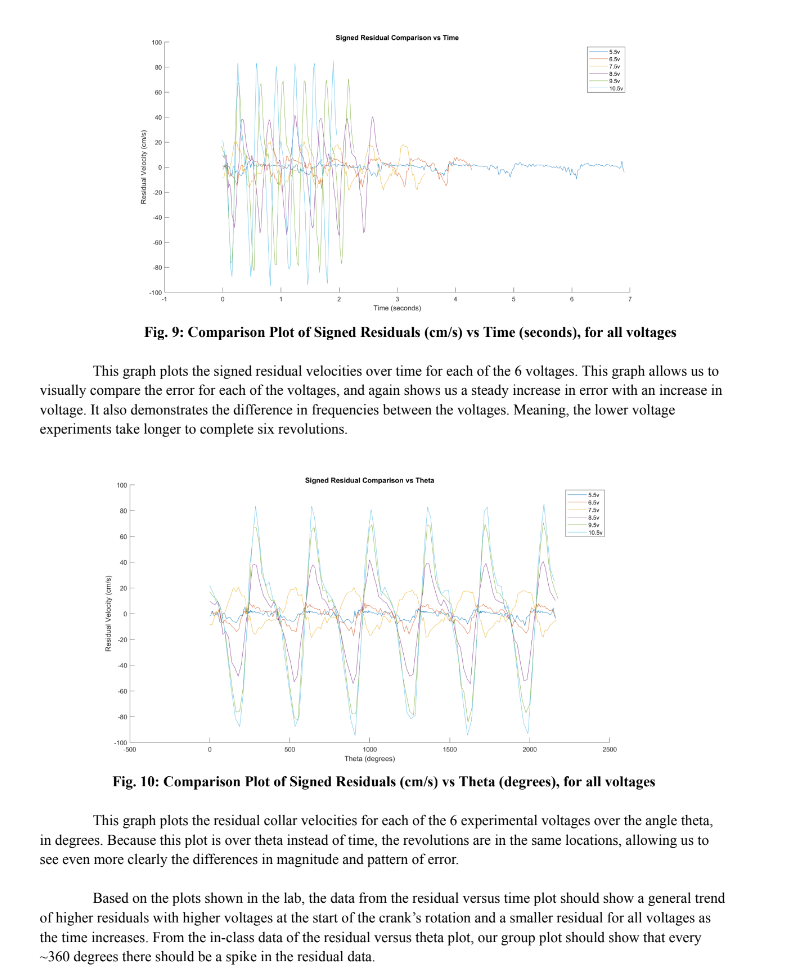
This lab focused on designing and implementing a closed-loop transfer function for feedback control in a Locomotive Crank model, comparing it with experimental data. Discrepancies between the theoretical model and real-world results were attributed to assumptions like neglecting natural damping and friction. While simplifying the model, these assumptions reduced accuracy in reflecting mechanical interactions.
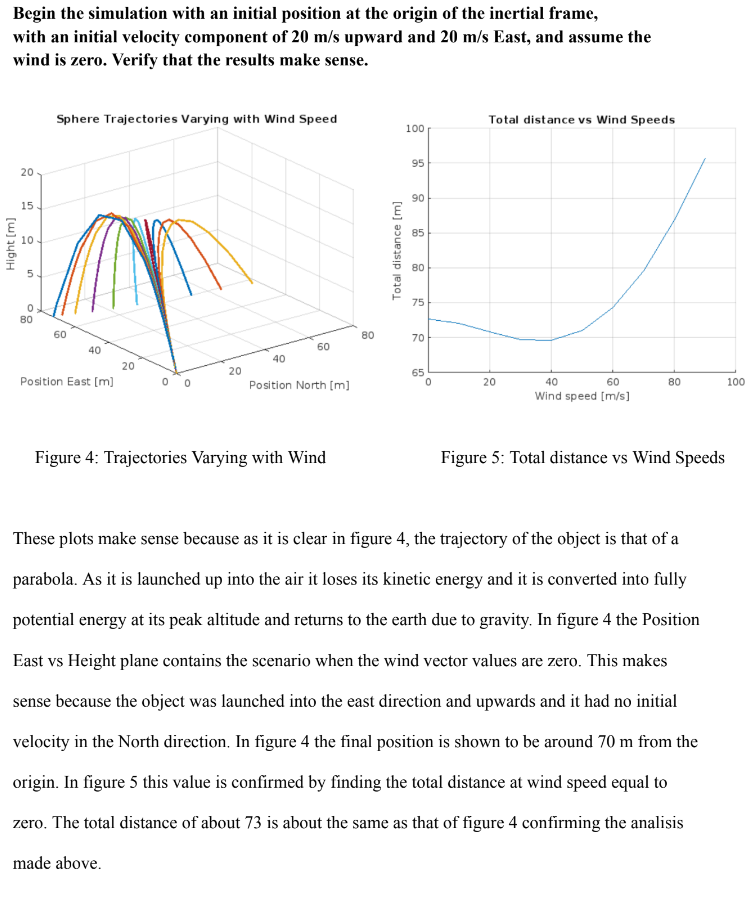
This lab simulates equations of motion using MATLAB's ODE solver. Problem 1 explores both converging and diverging system behaviors. Problem 2 models projectile motion, analyzing the impact of wind speed, altitude, and object mass on landing location and total distance traveled. Results show a direct relationship between wind speed and horizontal displacement, as well as mass effects on motion.
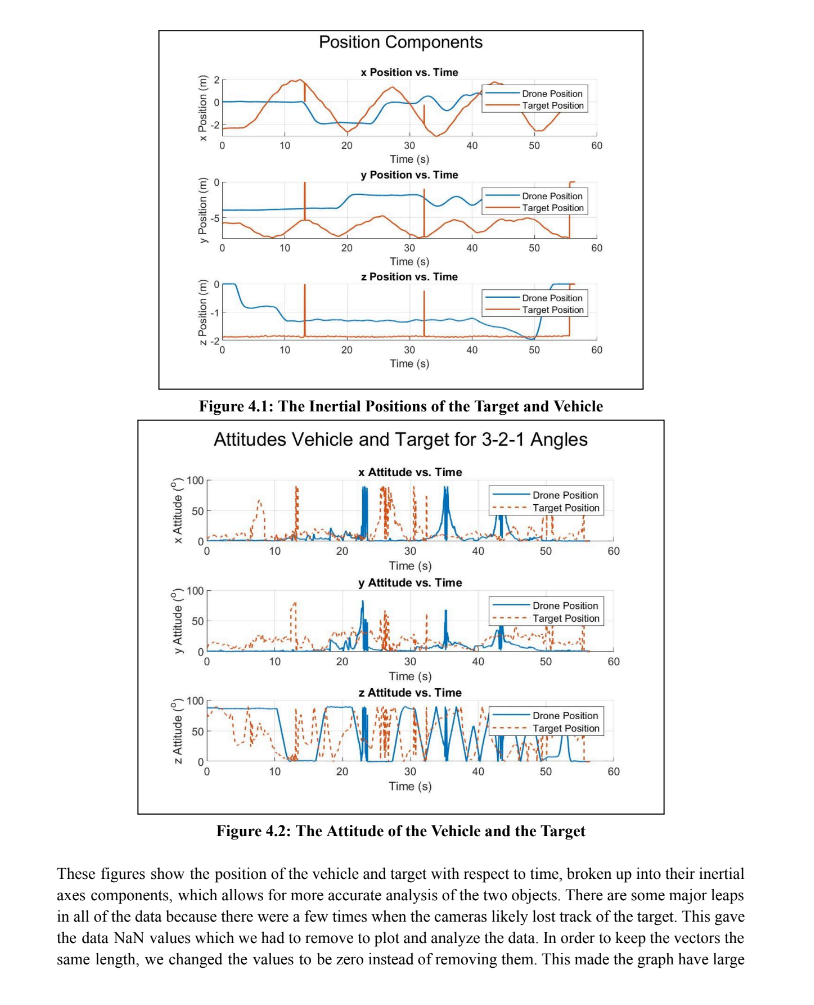
This lab investigates the dynamics of an aerospace vehicle and a target through motion capture and the analysis of relative positions and orientations. Using MATLAB, the 3-2-1 and 3-1-3 Euler angle rotation sequences were applied to calculate Direction Cosine Matrices (DCM) for both objects. The position and attitude of the vehicle and target were tracked in both inertial and body frames. Key results include the relative positions in the inertial frame and body frame, as well as the Euler angles that describe their orientations over time
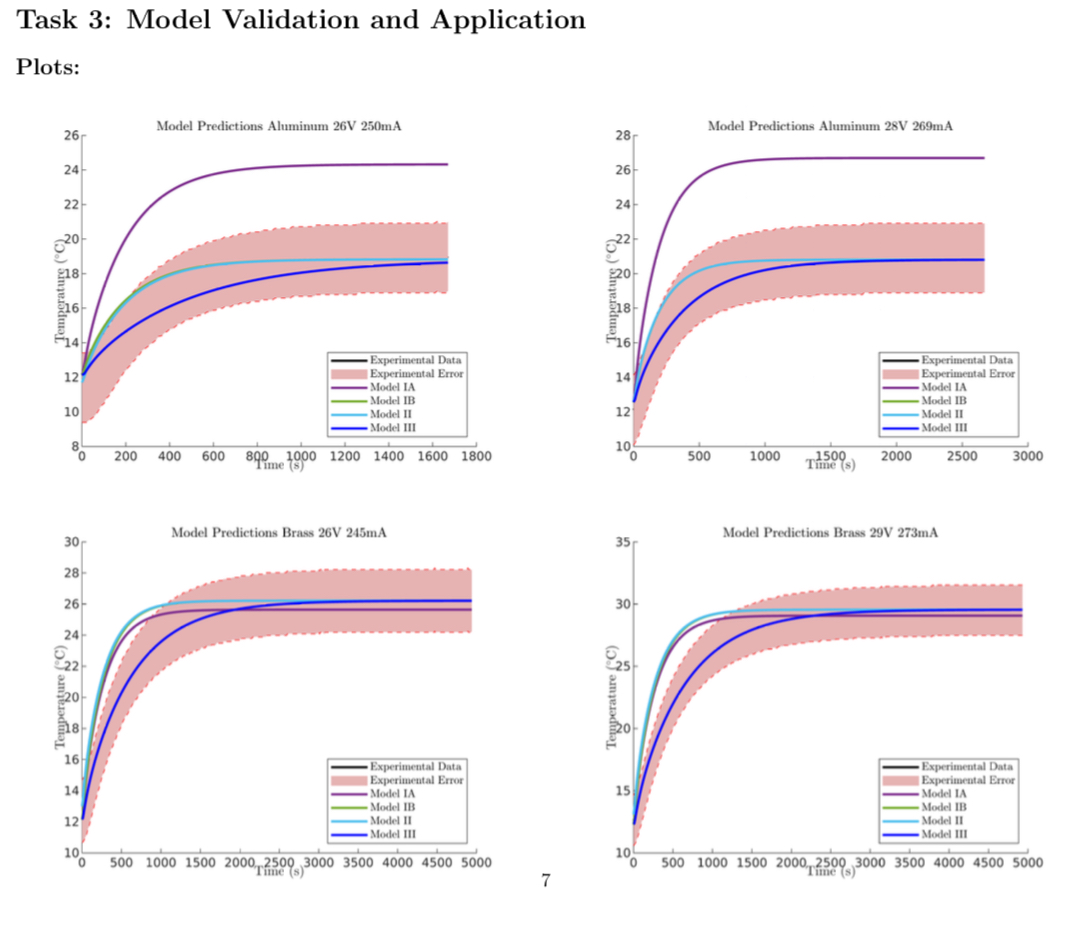
This lab analyzes heat conduction in aluminum, brass, and steel using experimental data and MATLAB models. We compared steady-state and transient responses, applied Fourier series solutions, and optimized thermal diffusivity values to improve model accuracy. Results highlight the importance of material properties and initial conditions in thermal behavior.
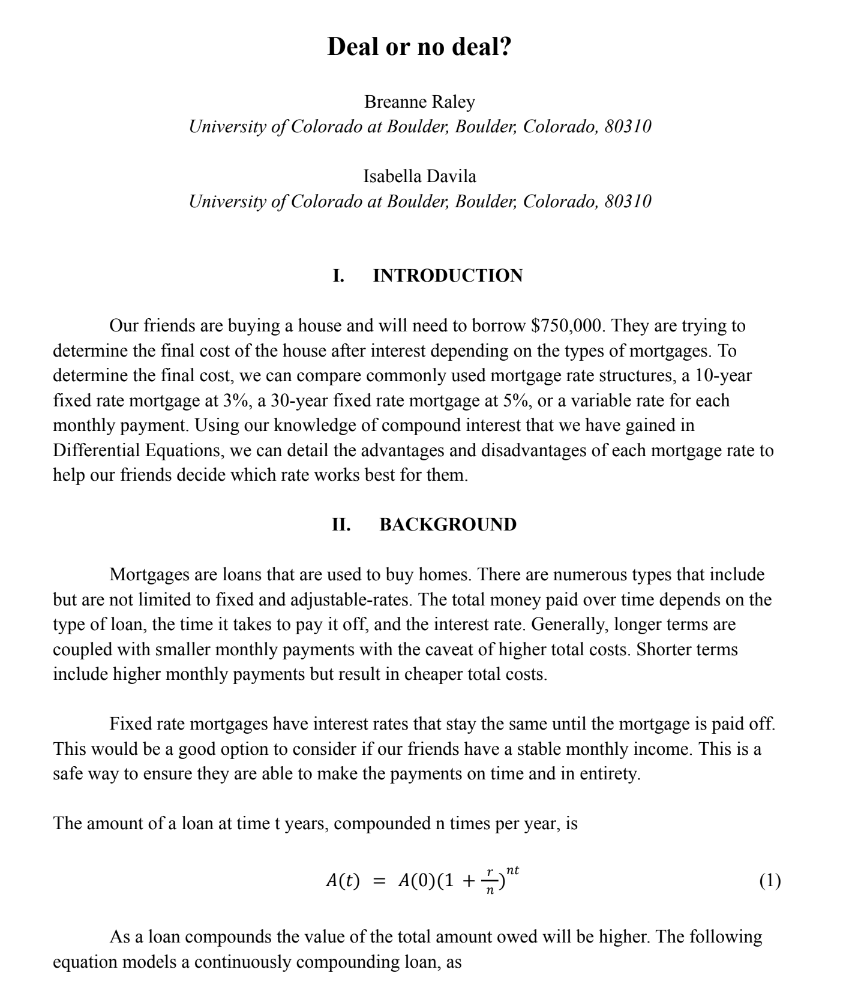
This lab applied Differential Equations to compare mortgage plans for a $750,000 loan, including a 10-year fixed mortgage at 3%, a 30-year fixed mortgage at 5%, and a variable rate. Calculated monthly payments, total costs, and to implement Eulers method for approximating loan amounts over time, with smaller timesteps improving accuracy. The 10-year plan had higher payments but a lower total cost, while the 30-year plan had lower payments and higher costs. Larger monthly payments were shown to reduce total interest, while adjustable rates provided short-term savings at the expense of long-term costs.
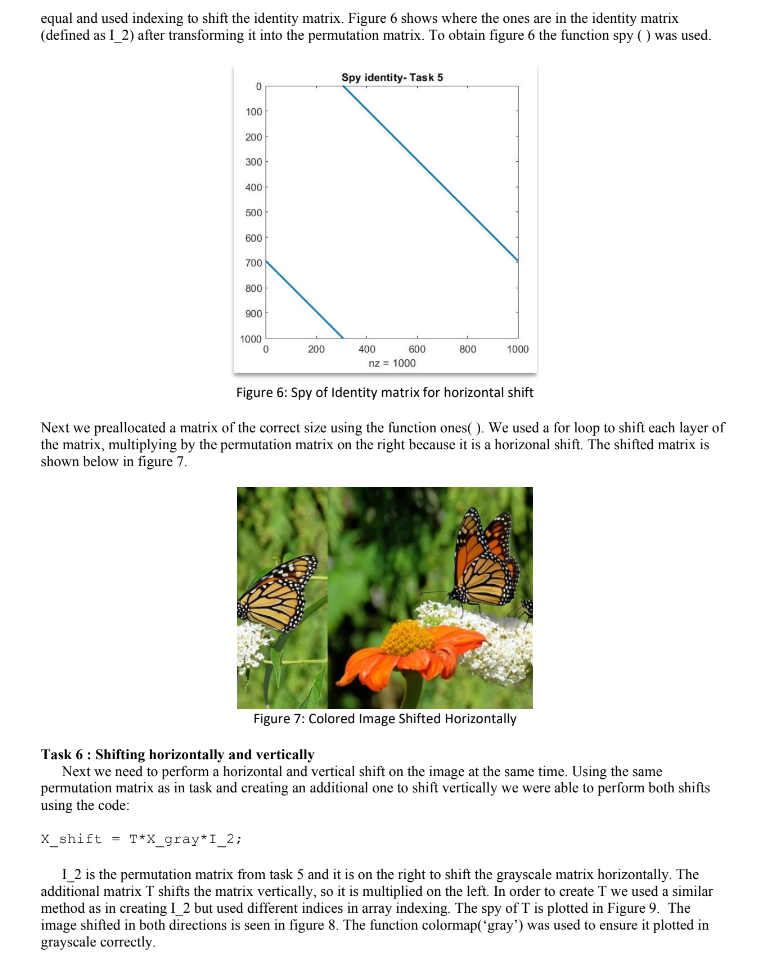
This lab explores image manipulation and compression using MATLAB through matrix operations. Key tasks include loading and converting images, adjusting exposure, altering colors, and performing transformations like shifting, flipping, and transposing. The lab also demonstrates image compression using the Discrete Sine Transform (DST), analyzing how different compression ratios affect image quality. Results highlight the relationship between matrix manipulations and storage efficiency. The report includes MATLAB code and explanations for each operation.
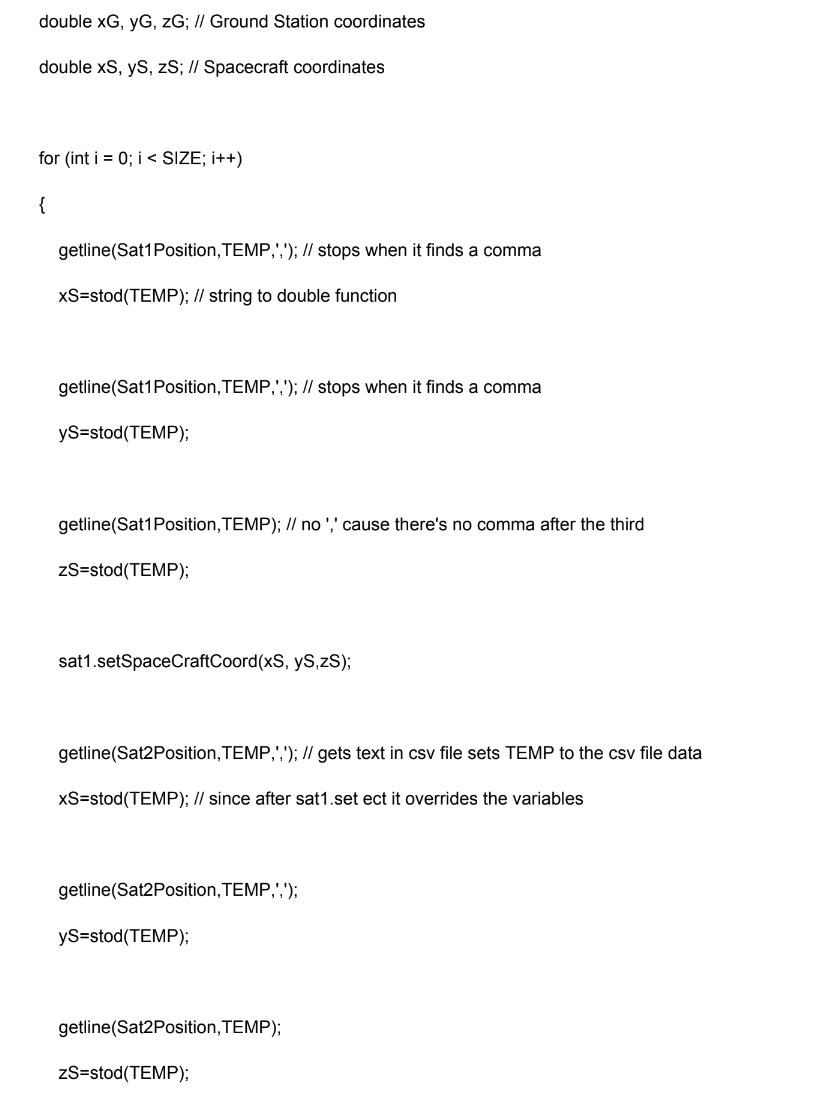
This project simulates satellite orbits and ground station communication planning by calculating visibility windows over three days. Satellite positions are generated based on Earth's rotation, stored in "CBPosition.csv," and visibility is determined each minute using a masking angle. Results, saved as "Sat1Visibility.csv" and "Sat2Visibility.csv," indicate when satellites are visible (1) or not (0) from the ground station, providing essential data for optimizing coverage and communication schedules.
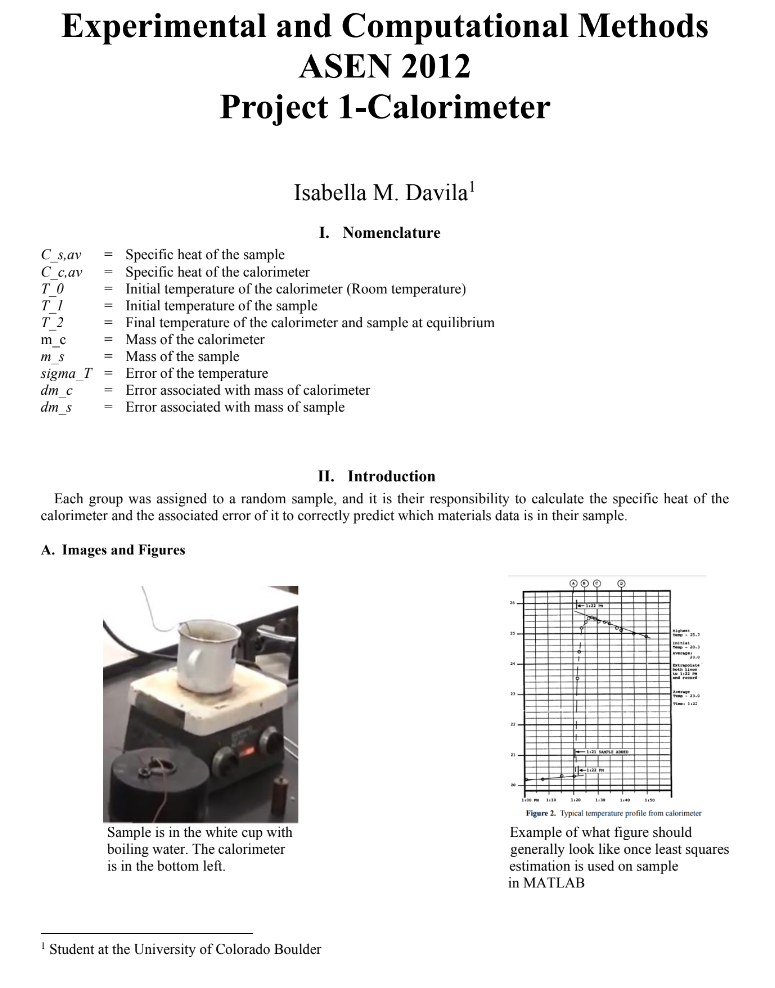
This project focused on calculating the specific heat of a given calorimeter and its associated error to identify the material within an assigned sample. The process involved using experimental temperature data and MATLAB for least squares estimation to compare results against known material values. Key assumptions included a constant initial room temperature and an adiabatic system to minimize heat loss. Various error derivations and alternative calculation approaches were considered, emphasizing thorough methodology in determining precise measurements for material identification.